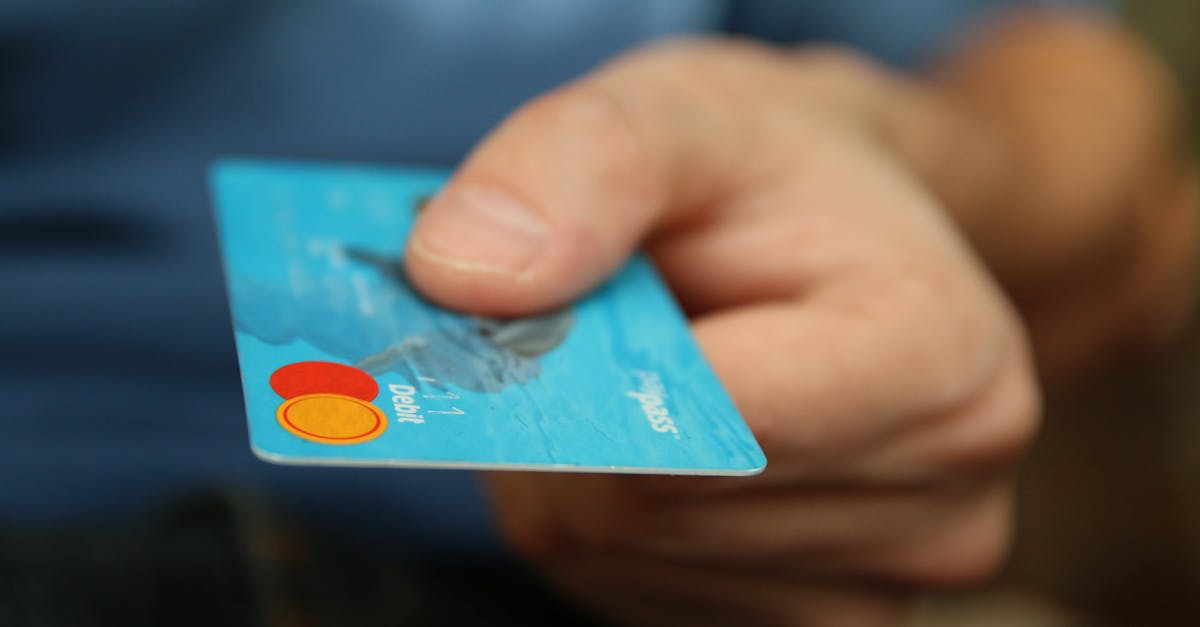
MCommerce
M-commerce, short for mobile commerce, refers to the buying and selling of goods and services through mobile devices such as smartphones and tablets. With the growing reliance on mobile technology, M-commerce provides a convenient way for consumers to engage in online shopping anytime and anywhere. E-commerce solutions tailored for mobile platforms have become crucial for businesses looking to tap into the increasing trend of mobile shopping.
Mobile shopping offers a seamless and user-friendly experience, allowing customers to browse products, make purchases, and track their orders with ease. E-commerce solutions designed specifically for mobile devices enhance the shopping experience by optimizing websites and applications for smaller screens, ensuring smooth navigation and quick loading times. As mobile usage continues to rise, businesses that invest in M-commerce technologies are better positioned to reach and engage with a broader audience of consumers.
The Mobile Shopping Experience
Customers are increasingly turning to their mobile devices for shopping, creating a surge in the popularity of mobile commerce or M-commerce. The mobile shopping experience offers convenience and accessibility to users, allowing them to browse and purchase products anytime and anywhere. E-commerce Solutions tailored for mobile use are essential for businesses to tap into this growing market segment and ensure a seamless shopping experience for their customers.
With the rise of M-commerce, businesses need to optimise their websites and online stores for mobile devices to enhance the mobile shopping experience. This involves responsive design, streamlined navigation, and secure payment options. By investing in E-commerce Solutions that are mobile-friendly, businesses can capitalise on the thriving mobile shopping trend and stay competitive in the digital marketplace.
Social Commerce
Social commerce is a rapidly expanding sector within the e-commerce landscape. It involves the integration of social media platforms into the online shopping experience. Businesses leverage the power of social networks like Instagram, Facebook, and Twitter to reach a broader audience and engage with customers in a more tangible way. By enabling direct purchasing within social media environments, brands can streamline the path to purchase and capitalise on impulse buying tendencies.
Integrating social media platforms into e-commerce solutions allows brands to build stronger relationships with their customer base. By interacting directly with consumers on social channels, businesses can gain insights into their preferences, gather feedback, and tailor their offerings accordingly. Additionally, social commerce opens up new avenues for targeted marketing and personalised recommendations, leading to a more immersive and tailored shopping experience for users.
Integrating Social Media Platforms
Social media platforms have become a pivotal component in modern e-commerce solutions. Integrating these platforms allows businesses to engage with their customers on a more personal level, establishing a sense of trust and loyalty. By leveraging social media, companies can create targeted marketing campaigns that reach a wider audience, leading to increased brand visibility and ultimately, higher sales.
Moreover, integrating social media platforms into e-commerce solutions enables companies to gather valuable customer feedback in real-time. This direct line of communication allows businesses to adapt their products and services based on customer preferences and demands, resulting in a more tailored shopping experience. It also facilitates customer service interactions, resolving issues promptly and enhancing overall customer satisfaction levels.
FCommerce
F-Commerce, short for Facebook Commerce, involves leveraging the vast user base and engagement on Facebook to facilitate sales transactions online. This form of e-commerce integrates seamlessly with social media platforms, allowing businesses to connect with their target audiences in a more interactive and personalized manner. Through F-Commerce, companies can showcase products, run promotions, and provide customer support directly on their Facebook pages, offering convenient shopping experiences to users without redirecting them to external websites.
E-commerce Solutions such as F-Commerce have revolutionized the way businesses approach online retail, enabling them to tap into the immense potential of social media for driving sales and brand engagement. By harnessing the power of Facebook’s features, businesses can build relationships with customers, nurture brand loyalty, and boost conversion rates. With F-Commerce, companies can create a virtual storefront on Facebook, capitalizing on the platform’s user-friendly interface and social sharing functionalities to reach a broader audience and increase their online sales.
Utilizing Facebook for Sales
Facebook has become a prominent platform for businesses to enhance their sales through F-commerce. Leveraging the widespread reach and engagement of Facebook, businesses can directly connect with their target audience and showcase their products and services. By setting up an online store on Facebook, known as a Facebook Shop, businesses can provide a seamless shopping experience for customers, ultimately driving sales and expanding their customer base. This form of E-commerce Solutions enables businesses to capitalise on the social nature of Facebook and leverage user data for targeted marketing strategies.
Moreover, utilising Facebook for sales allows businesses to build brand loyalty and trust among their followers. By engaging with customers through posts, comments, and direct messages, businesses can foster relationships and create a sense of community around their brand. This personalised approach to selling not only increases customer retention but also encourages word-of-mouth referrals and recommendations. Through effective E-commerce Solutions on Facebook, businesses can strengthen their online presence, boost sales, and establish themselves as trusted brands in the digital marketplace.
FAQS
What is M-Commerce?
M-Commerce, short for Mobile Commerce, refers to the buying and selling of goods and services through mobile devices such as smartphones and tablets.
How does the Mobile Shopping Experience differ from traditional e-commerce?
The Mobile Shopping Experience provides users with the convenience of making purchases on-the-go using their mobile devices, allowing for a seamless and efficient shopping experience.
What is Social Commerce?
Social Commerce involves the use of social media platforms to facilitate online shopping and transactions, leveraging social networks to influence purchasing decisions.
How can businesses integrate Social Media Platforms for Social Commerce?
Businesses can integrate Social Media Platforms by creating shoppable posts, running targeted ads, and engaging with customers through platforms like Facebook, Instagram, and Twitter to drive sales.
What is F-Commerce and how does it differ from traditional e-commerce?
F-Commerce, or Facebook Commerce, refers to the sale of products and services directly through Facebook. It differs from traditional e-commerce by providing a seamless shopping experience within the social media platform itself.
How can businesses utilize Facebook for sales through F-Commerce?
Businesses can utilize Facebook for sales by setting up a Facebook Shop, showcasing products, running targeted ads, and leveraging Facebook’s features such as Messenger for customer service and sales inquiries.